To empower your community, it’s important to build a sense of ownership and collaboration among its members.
After all, who knows the wants and needs of a community better than the community itself?
Here are six tried-and-tested methods that will help you to effectively involve your community in your projects.
1. Carry out community surveys and focus groups
A good starting point for understanding the thoughts of your community is through surveys and focus groups. By gathering opinions, insights, and suggestions directly from the people you aim to serve, you ensure that your projects are aligned with their actual needs.
You could try sending out use an online platform, like SurveyMonkey, and share the link through your newsletter or on social media. But another way is to get out to local groups to reach your target audience and ask them to fill out a paper copy.
For example, if you’re planning a youth empowerment programme, conducting surveys among local young people can help tailor the programme to address their specific challenges and interests.

2. Host community workshops and brainstorming sessions
You can create opportunities for meaningful conversations and collaboration by hosting workshops and brainstorming sessions. Try inviting community members, stakeholders, and experts to share ideas, identify priorities, and co-create solutions. These sessions not only encourage a sense of belonging but also generate innovative and sustainable project ideas.
For example, a workshop on environmental conservation could inspire the community to initiate recycling programmes or create an environmental action plan.
3. Set up community advisory boards
Forming advisory boards which include diverse representatives from the community adds an invaluable layer of insight and accountability to your projects. These boards serve as a bridge between your organisation and the community, providing ongoing feedback, guidance, and oversight.
Setting up such a board would involve some planning, so firstly make the aims and objectives of the group clear before announcing the formation of the group through various channels. Share the news on social media, local newspapers, community centres and schools. You should also try reaching out to leaders and members of underrepresented groups directly. Attend community events, meetings, and gatherings to connect with potential members.
By empowering community members to actively participate in decision-making processes, you create trust and transparency. An advisory board for a mental health project, for example, might include healthcare professionals, local leaders, and local community members affected by ill mental health. You could do this by reaching out to local people working within or who have lived experience of that particular area.
4. Offer volunteer opportunities
Engage community members directly in your project by offering volunteer opportunities. Not only do volunteers contribute their time and skills, but they also develop a deeper connection to the cause and become ambassadors for your organisation within the community. It can also offer valuable hands-on experience and helps build transferable skills.
5. Utilise social media and online platforms
Use social media and online platforms to broaden your reach and engage a wider audience. Create dedicated channels for community members to share feedback, ideas, and success stories. Encourage participation through polls, contests, and interactive content. By building a virtual community space, you extend the conversation beyond physical boundaries and involve individuals who may have accessibility needs which stop them from in-person participation.
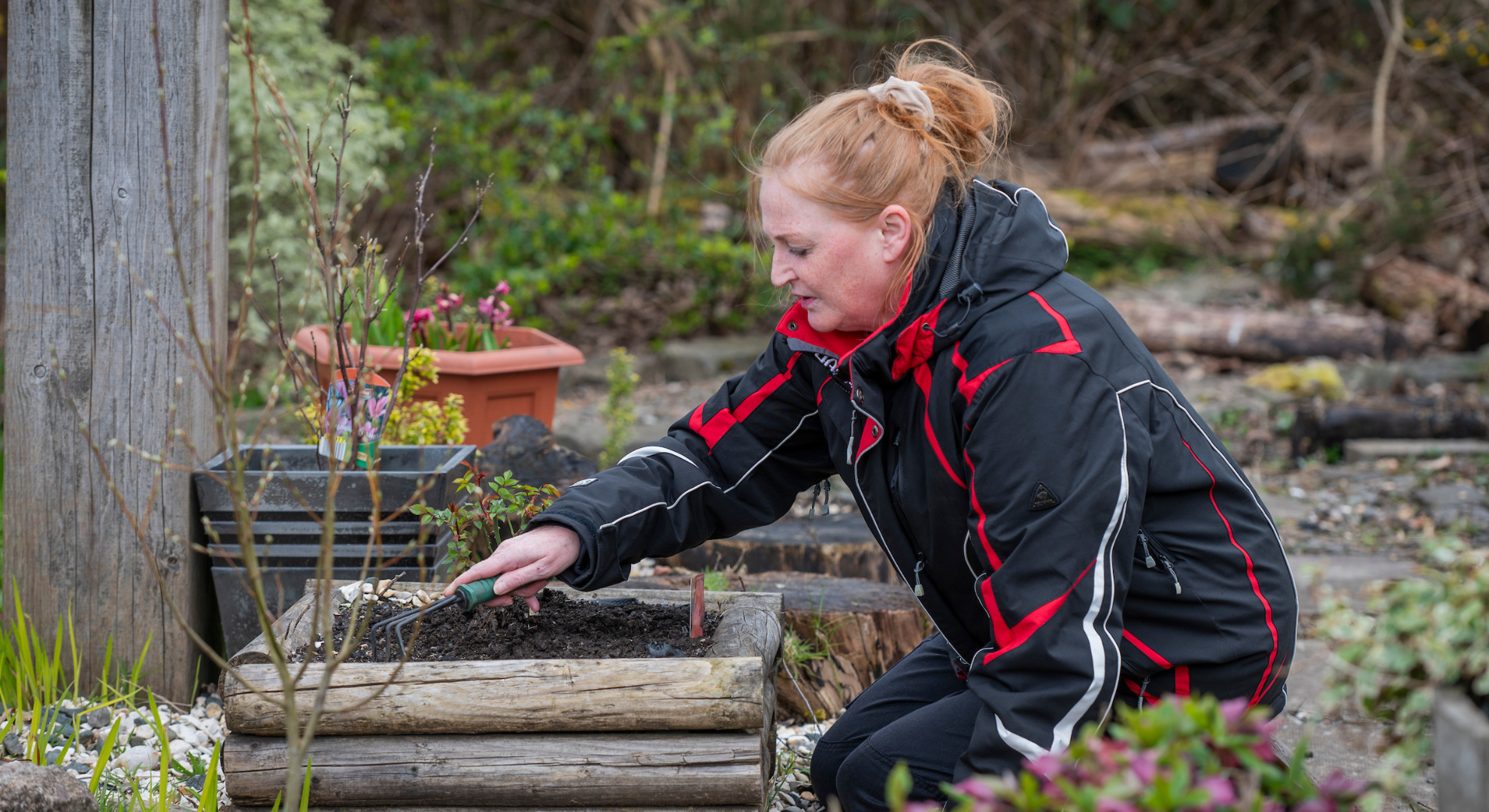
A community garden project, for instance, could maintain an active online presence to recruit volunteers, share gardening tips, and showcase their home-grown produce.
6. Celebrate achievements and milestones together
Celebrate the progress and achievements of your projects with the entire community. Whether it’s reaching fundraising goals, completing, or achieving positive outcomes, these milestones are opportunities to show gratitude.
You could host community events, like picnics or fun days, where everyone can come together to celebrate their contributions and reaffirm their commitment to the project. Or, you could try a live event on social media, or set up members only Zoom party to celebrate with those that may not be able to come to in-person events.
Recognising the efforts of community members will create a sense of belonging and ensure continued engagement.
Find out more about our funding
Involving the community in your projects isn’t just a strategy—it plays a key role in creating meaningful impact.
Are you passionate about making a difference in your community? Visit our website to explore the funding opportunities available and discover how you can turn your project idea into reality: https://www.tnlcommunityfund.org.uk/funding/programmes
 The National Lottery Community Fund Scotland Blog