When applying for our funding, we want applicants to consider how their project can bring out the best in their communities, helping people reach their potential through shared knowledge, skills, and experience.
In particular, when applying for our Community Action, Fairer Life Chances or Young Start programmes we want you to focus on telling us how your project will:
- complement and make connections with other services that support them.
A well-connected project complements and makes connections with other services that support the people they work with.
In this blog, we share three examples of projects which have connected with other services in different ways in order to fully support the people in their community.
1. Badenoch & Strathspey Community ConnXions, Scottish Highlands
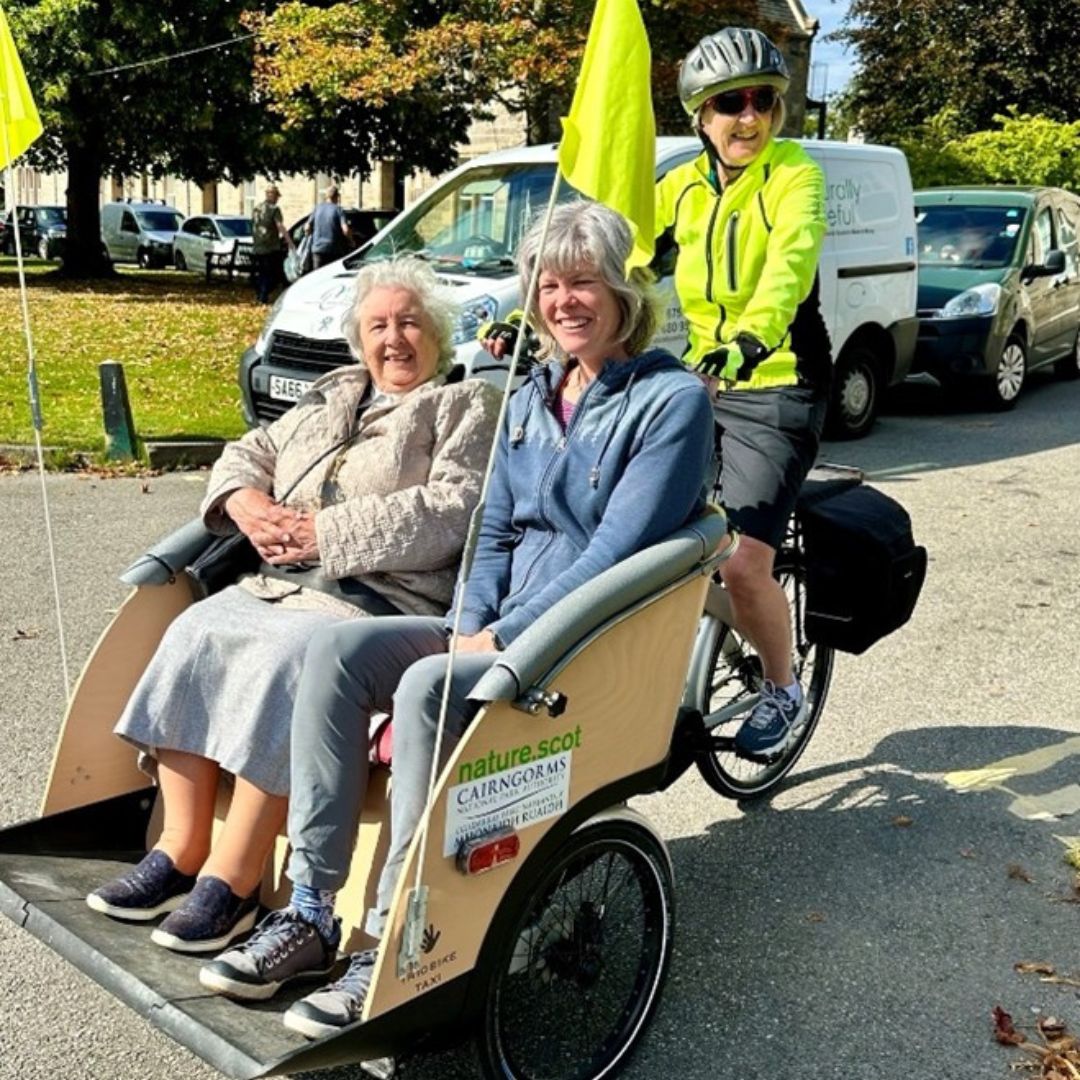
Badenoch & Strathspey Community ConnXions were awarded £90,000 of National Lottery funding to deliver and develop its popular befriending service and social activities in Aviemore, and across the wider Badenoch and Strathspey area to help reduce loneliness and rural isolation. At the heart of the project is their community transport service which is essential for people in their community to access the project’s activities.
The group thrives on being connected and has supported and partnered with several local organisations including Age Scotland, NHS Highland and Cairngorm National Park with their transport services and activities.
As well as maintaining partnerships with other organisations, the group grasp every opportunity to attend events that will support collaboration and networking, and have shared with other organisations their tips on running a successful community transport scheme.
Colin Whitton, Marketing and Communications Officer, at Badenoch & Strathspey Community ConnXions, shared: “Working collaboratively with other organisations is vital in terms of us delivering the services we offer to the community and supporting others doing the same.
“Sharing best practice and effective networking has been key to our success over the years. In an ever changing political and economic landscape, maintaining an open dialogue with like-minded organisations is pivotal in preparing for a potentially uncertain future. This also supports our ability to adapt and change, aiming to be always on the front foot, efficiently positioning what we deliver.”
What we like about this project
Their funding officer, Caroline Hammond, said:
“Badenoch and Strathspey Community ConnXions have excellent links across the statutory and third sector and are a well-established local resource.
“Their community transport project has gone from strength to strength over the years and they have often shared their decades long learning and best practices with groups across the country, who are looking to establish their own transport projects.
“Understanding the needs of their customers and community is at the heart of what they do, and they have developed solid referral links and pathways to help them reach those most in need.”
2. Scottish Ethnic Minority Deaf Club (SEMDC), Glasgow
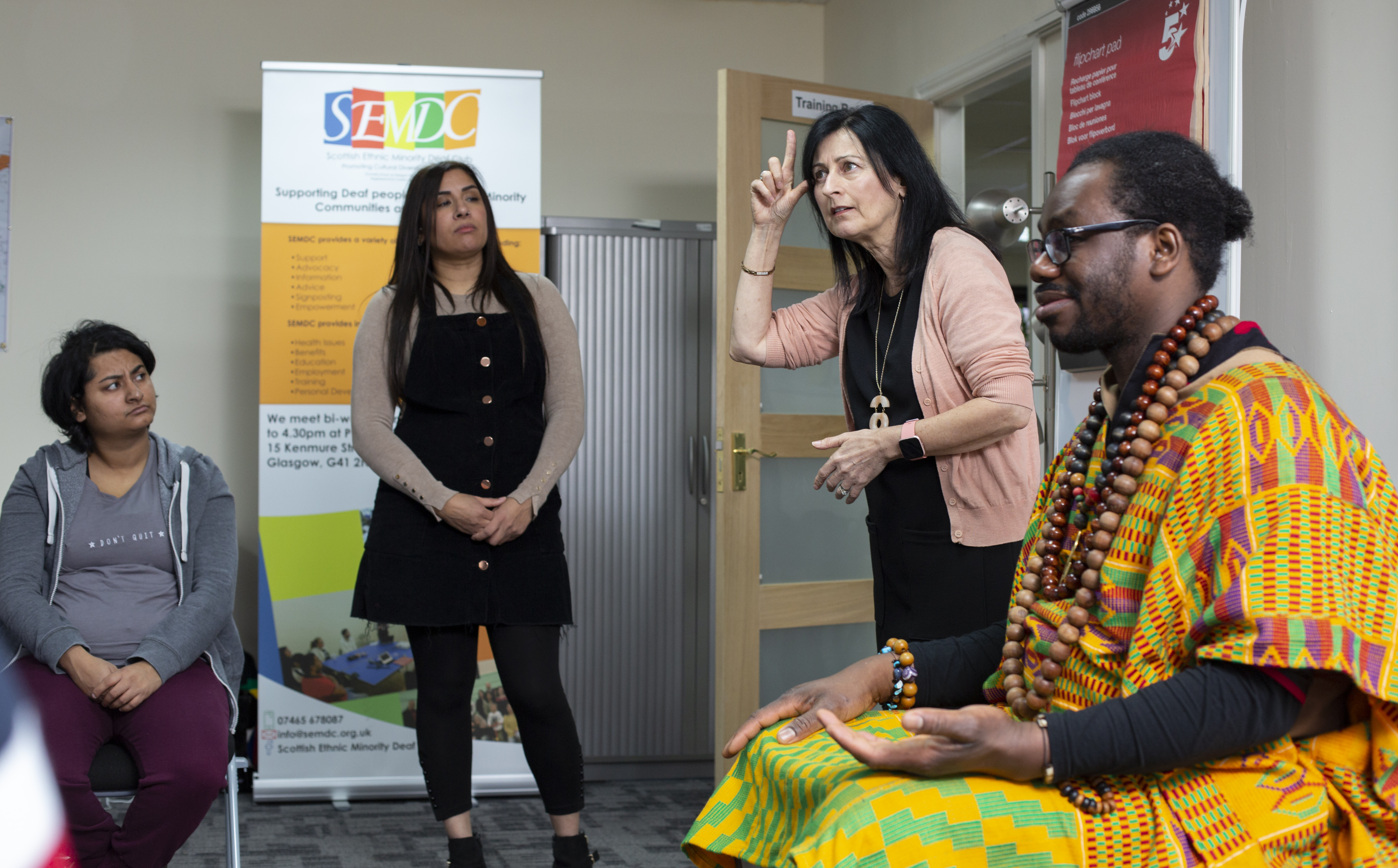
SEMDC makes connections with other services to ensure wraparound support is available for New Scots
SEMDC was awarded £183,809 of National Lottery funding to provide a variety of support services and advice to adults from the deaf ethnic minority community, increasing confidence and independence to this severely isolated group of people.
The project complements and makes connections with other services and organisations to ensure wraparound support is available for New Scots to support their integration into the community.
One example of this is their Deaf Relay Interpreting Service, which the project offer to other organisations who work with New Scots.
Tasnim Ahmed, Operations Manager, said:
“At SEMDC we are notably proud of our growing Deaf Relay Interpreting Service. This unique service enables us to support New Scots and their families with no British Sign Language skills, to be able to integrate into the community and access advice and information on legal matters, the welfare system, health and education and human rights. Deaf Relay Interpreters work alongside a British Sign Language Interpreter, unpacking British Sign Language into alternative forms of sign so that there is full understanding communicated between a non BSL user and the hearing person.
We are a necessary conduit between our members and lawyers, mental health teams, housing associations and NHS health services. A recent collaboration with Glasgow City Council’s Homelessness Team has increased the visibility of this unique service, as requests for the service from other organisations rise, such as Migrant Help and The British Red Cross.”
What we like about this project
Their funding officer, Carrie Donnelly, said:
“The support SEMDC offers to people who would otherwise be living in extreme isolation relies on the organisation having excellent connections with others such as local job centres, housing associations and even driving schools. This means the people they work with can access the resources they need to live healthy lives, on top of the groups and one to one support facilitated by SEMDC.
“Their deaf relay interpreting service provides an invaluable service to people, ensuring their voices are heard and they can access the information they need.”
3. The Usual Place, Dumfries and Galloway
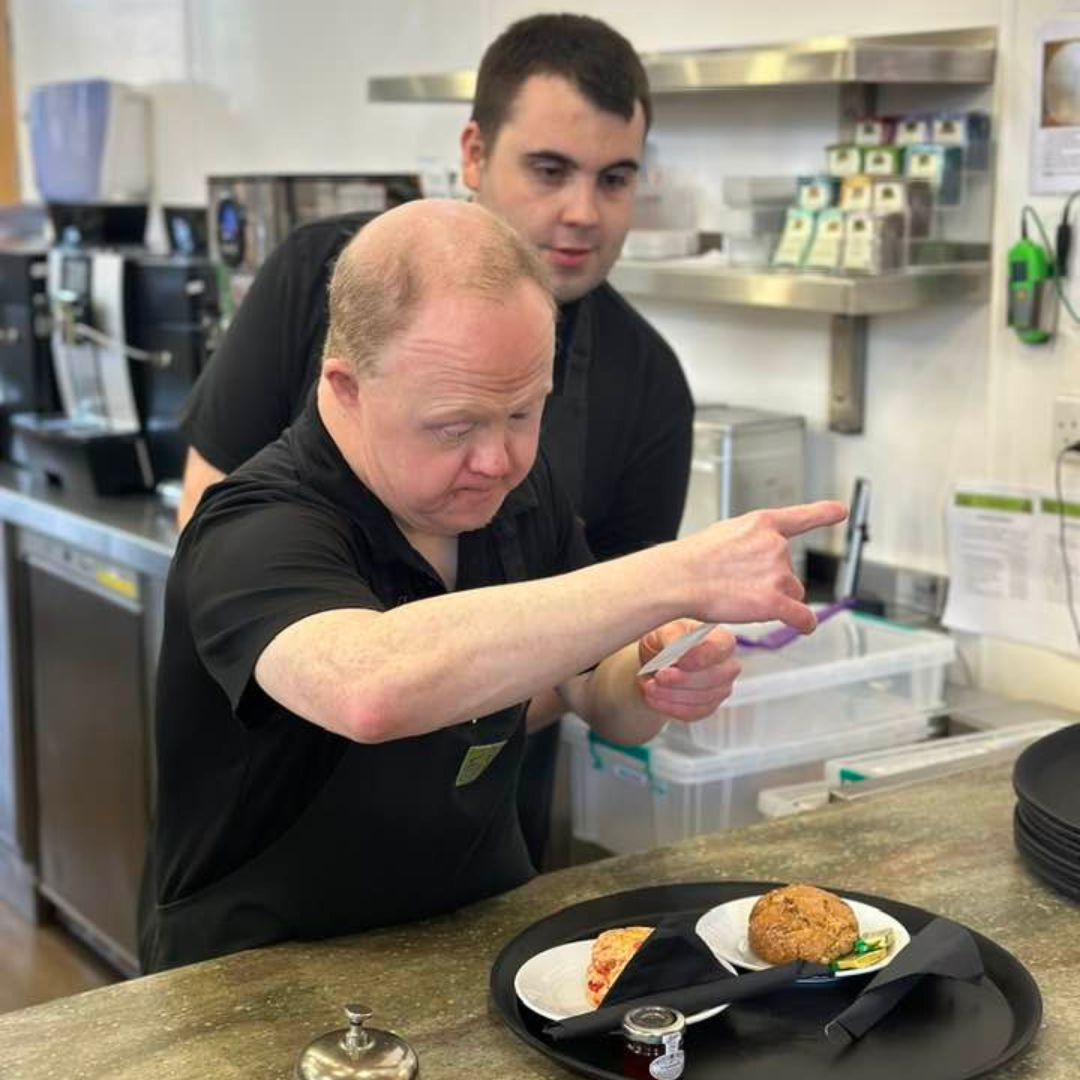
The Usual Place was awarded £199,852 of National Lottery funding to deliver a personal development and skills programme in its community café for young people with learning disabilities, autism spectrum disorders and additional support needs aged between 14 and 26.
The Usual Place regularly makes connections with other organisations and services in order to create meaningful pathways and pioneer change for young people with additional support needs.
For example, the group have many partnerships to ensure that the young people they work with have employability and citizenship pathways.
The Usual Place excels at sharing what they do, in order to create lasting change. Many organisations frequently visit the project, eager to learn more from their approach so they can replicate it within their own communities.
The Usual Place’s influence extends to external agencies such as the House of Lords Select Committee, their local council, and the Scottish Government Enquiry into the Disability Employment Gap, who all have reached out in order to find out more about their work, and the issues that affect young people with additional support needs.
The project has secured a seat at the table in several key Scottish Government Cross-Party Groups, which has helped them expand their influence, deepen their connections and amplify the voices of the young people they work with.
Craig McEwen, Chief Executive, The Usual Place, said:
“These connections form the backbone of our efforts to create meaningful employability and citizenship pathways for young people—particularly those who are often furthest from the labour market and, sadly, too often written off by society.
“Our partnerships enable us to bring valuable experiences to the young people we work with, while also showcasing their abilities and strengths across a wide spectrum of skills.
“Being well-connected also amplifies The Usual Place’s profile, often bringing unexpected opportunities that further our mission.
“Ultimately, these connections are about more than just collaboration; they represent a powerful ecosystem that supports young people, strengthens our organisation, and contributes to lasting change across the sector.”
What we like about this project
Their funding officer, Neal Bennison, said:
“The Usual Place are an excellent example of the power of good networking. They are comprehensive in their approach; making connections at all levels. They have built strong relationships with schools and other statutory services, third sector groups, and families, to ensure they identify those young people who might benefit most.
“Similarly, they work with the young people so that they can access all the appropriate wrap-around support available, to ensure success on their journey while with the project.
“Finally, they work with employers and further education providers and are involved in strategic groups at regional and national levels to influence decision makers and ensure the best opportunities can be accessed by their young people both now, and in the future.”
To find out more about what makes a strong project, visit our blog.
Visit our website to find out more about our funding in Scotland.
 The National Lottery Community Fund Scotland Blog
[…] complement and make connections with other services that support them. […]
[…] complement and make connections with other services that support them. […]