When applying for our funding, we want applicants to consider how their project can bring out the best in their communities, helping people reach their potential through shared knowledge, skills, and experience.
In particular, when applying for our Community Action, Fairer Life Chances or Young Start programmes we want you to focus on telling us how your project will:
- make use of their existing skills and interests
In this blog, we’ll look at three projects which demonstrate how they’ve made use of their community’s existing skills and interests.
By this we mean projects which instead of focusing on what might be missing, have highlighted the unique skills, traditions, and knowledge that its community brings.
1.Urras Coimhearsnachd Bhràdhagair agus Àrnoil (UCBA), Isle of Lewis
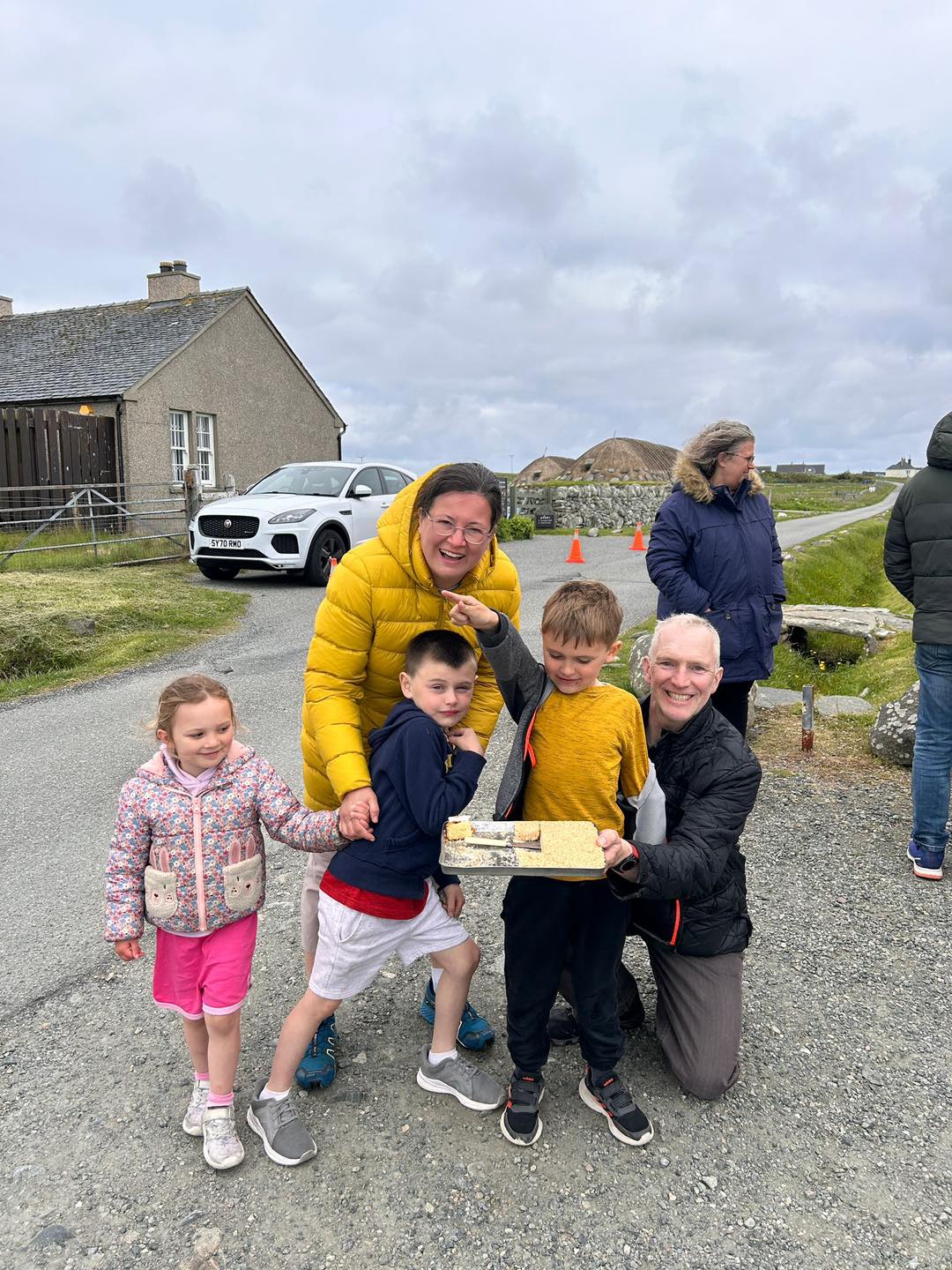
This social enterprise was awarded £64,732 to support community-led activities on the Isle of Lewis, a rural area with its own challenges including isolation and limited resources.
Their Grinneabhat project thrives on the dedication of local trustees, staff, and volunteers, who use their own knowledge to address rural needs. For example, community members have formed sub-committees led by local trustees with expertise in areas like arts, Gaelic language, gardening and maintenance, ensuring that every aspect of the project is informed by the community’s own strengths. Activities like running the garden and allotments, the Gaelic programme and supporting new activities, are all essential to building a sustainable model in a remote setting.
These sub-committees allow people to be involved in the things they are passionate about, rather than being involved in every aspect of the project, which reduces the risk of volunteer burn out.
We spoke to Catriona Campbell, a Trustee of Urras Coimhearsnachd Bhradhagair agus Arnoil, who shared their thoughts on how they make it work:
“In the early days of our project, public meetings were held to bring community members together to work out what we needed in our own area and to identify people with the drive to take the work forward.
“Committee members have changed over time, bringing new skills and interests, but with a core of people involved since the beginning, for continuity. Annual surveys are carried out and feedback taken after events, but the key thing is always to talk to people and find out what they want and how they can contribute.”
the events programme, the running of the garden and the allotments, the music programme, the Gaelic programme, and the arts and exhibitions programme.
What we like about this project
Their Funding Officer, Lesley Galbraith, said: “The Grinneabhat project has developed a sustainable model where everyone plays a role. They haven’t had to bring in external support because they maximise the skills that are already here. This project is a fantastic example of making the most of local resources in a rural setting.”
2. RecoveryAyr, South Ayrshire
RecoveryAyr received £165,989 to run their South Ayrshire Recovery Hub project. They support people in recovery rebuild their lives by using their experiences and strengths to support others while advancing their own recovery.
They empower volunteers who are in recovery, allowing them to take on roles that build on their strengths and interests. From activity facilitation to café work and crafting, each role reflects the abilities and goals of the volunteers.
They’re also offered training in skills like food hygiene and customer service, enabling them to build confidence and take on new responsibilities over time. The project recognises the unique strengths of each volunteer, helping them grow in ways that support both personal and community development.
What we like about this project
Their Funding Officer, Alexandra Krause, said: “RecoveryAyr is remarkable because it empowers individuals by focusing on their journey and strengths. By creating a safe space where people can build on what they’re good at, they offer a pathway toward confidence, community, and personal growth. This is not something they achieved overnight, but through years of work building and improving their service.”
3. Granton Community Gardeners (GCG), Edinburgh

This group based in Edinburgh was awarded £108,673 to support its work in an area rich in community potential, where residents are coming together to overcome shared challenges.
GCG shows us how diverse talents can build an inclusive community, where everyone has something to offer.
They celebrate the unique cultural backgrounds and skills of its participants through activities like community lunches, where a “head chef” is chosen each time to teach the group how to prepare a dish. This activity, alongside workshops in traditional skills such as basket weaving and mushroom growing, promotes a sense of pride and allows people to share and learn about the different cultures in their community.
They focus on individual strengths and shared knowledge which helps people feel valued and connected.
We spoke to Tom Kirby, Development Manager of Granton Community Gardeners, who shared some advice for new projects:
“If you attempt a challenge that lots of people in your community agree is worthwhile, it’s likely to be supported with goodwill.
“We are collectively able to offer a good welcome – and in lots of languages – so that it’s easier for a very diverse range of people – by age, culture, ethnicity and background – to quickly feel a sense of belonging.
“Because there are always a wide range of things that need doing, there are a lot of different opportunities and ways that people can contribute.”
What we like about this project
Their Funding Officer, Anna Grant, said: “Granton Community Gardeners shows how diverse strengths can enrich a project. They’re inclusive and have create a space where each individual’s talents contribute to the community’s strength.”
To find out more about what makes a strong project, visit our blog.
Visit our website to find out more about our funding in Scotland.
 The National Lottery Community Fund Scotland Blog
[…] make use of their existing skills and interests […]
[…] make use of their existing skills and interests […]